Roofing FAQ
Straight answers to the questions we hear most about roof repair, replacement and roof types.
Serving Los Angeles and the San Fernando Valley
Roof Repair & Leaks
Often, yes. If the deck and most of the roofing are sound, we repair the damaged area and the flashing around it. We only recommend replacement when repairs no longer make sense.
In most cases. We source matching tile profiles and shingle colors, and keep salvaged tiles when we can.
Most repairs are done in a few hours to one day.
Water often travels before it shows up on the ceiling. We trace it from the stain back up the roof, check flashing, valleys, vents and penetrations, and photograph the source before we fix it.
Yes. If rain is coming, we can tarp the area to protect the house until the permanent repair.
Yes, when the real cause is fixed. We repair the source, not just the visible spot, and recommend a full repair or replacement if the roof is near the end of its life.
Replacement & New Roofs
Leaks in several places, curling or brittle shingles, cracked tiles with worn-out underlayment, soft spots or a roof past its expected life are the usual signs. A free inspection will tell you for sure.
Most homes take one to five working days depending on size, roof type and weather.
Yes. We pull the required permits and schedule the city inspections.
Yes. We install roofs on new homes, room additions, ADUs and garages, and tie new roofs into existing ones.
Yes. We match tile profiles, shingle colors and roof lines so the addition looks original.
Yes. We schedule around your framing and inspection timeline.
Inspections & Maintenance
Once a year, ideally before the rainy season, and after any big storm.
Yes. We inspect roofs for buyers and sellers and provide a written report with photos.
Clearing debris and drains, resetting slipped tiles, resealing flashing and vents, and fixing small problems before they turn into leaks.
Roof Types
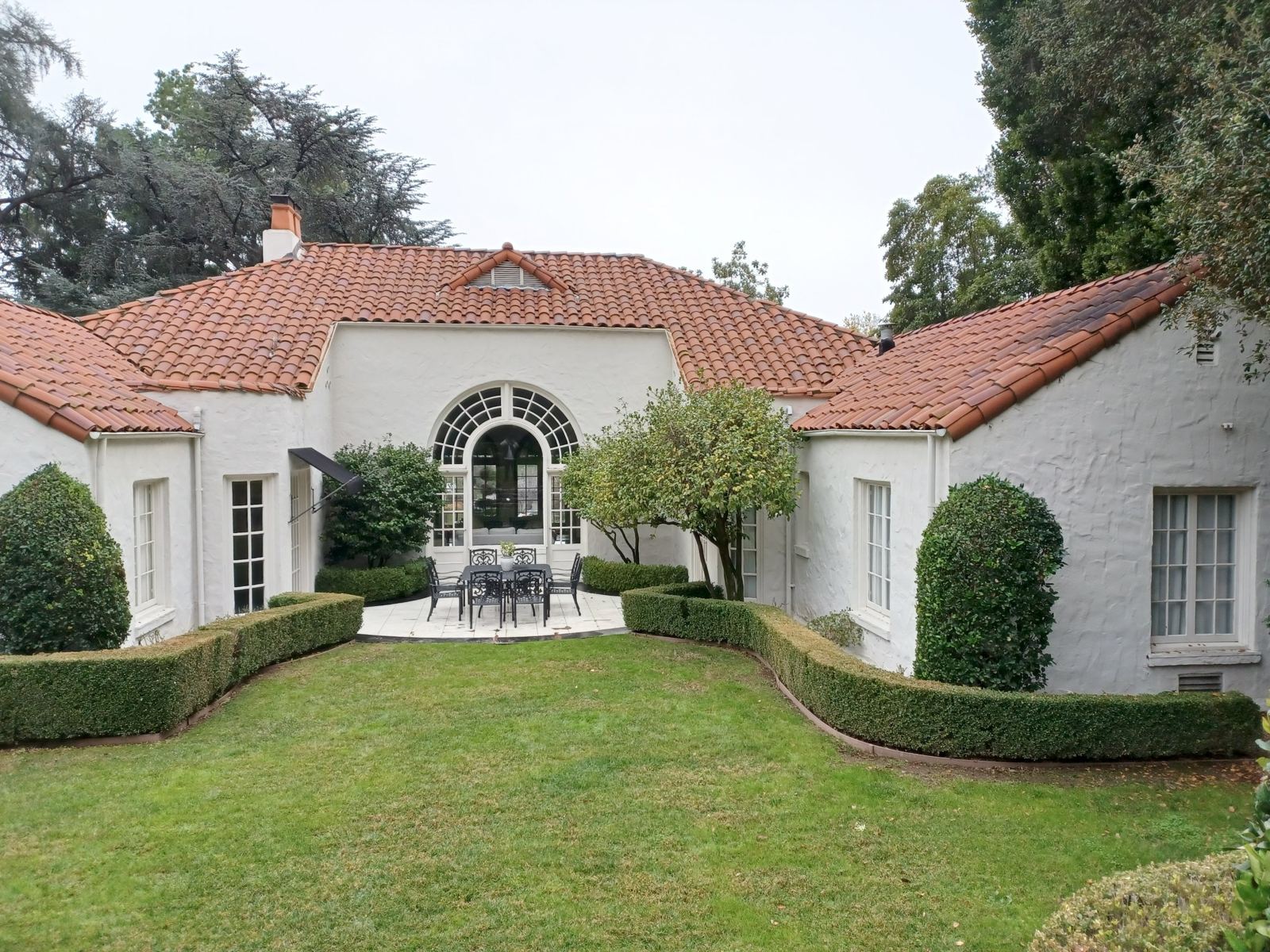
Clay and concrete tiles can last 50 years or more. The underlayment under the tiles is what wears out, usually after 20 to 30 years in the Los Angeles sun.
We lift the tiles, replace the worn underlayment, flashing and battens, then put the good tiles back and replace broken ones. The roof keeps its look and gets a new waterproof layer.
Yes. We replace cracked and slipped tiles with matching clay or concrete tiles and check the underlayment around them.
Architectural shingles usually last 25 to 30 years here, depending on attic ventilation and how much sun the roof gets.
We recommend a full tear-off so we can check and replace damaged decking and install new underlayment and flashing.
Yes. Cool-rated reflective shingles help keep the attic cooler and can help meet California Title 24 cool roof requirements.
Forty years or more with very little maintenance.
Yes. Metal roofs are non-combustible, a real advantage near hillsides and brush areas.
Not when installed over solid decking and underlayment, the way we install them.
Flat Roofs & Coatings
For most homes and buildings, a white TPO roof, a torch-down roof with a reflective cap sheet, or a silicone-coated roof. All three handle the sun and keep the building cooler.
Ponding usually comes from clogged drains or low spots in the deck. We clear drains and add tapered insulation or crickets so water drains off.
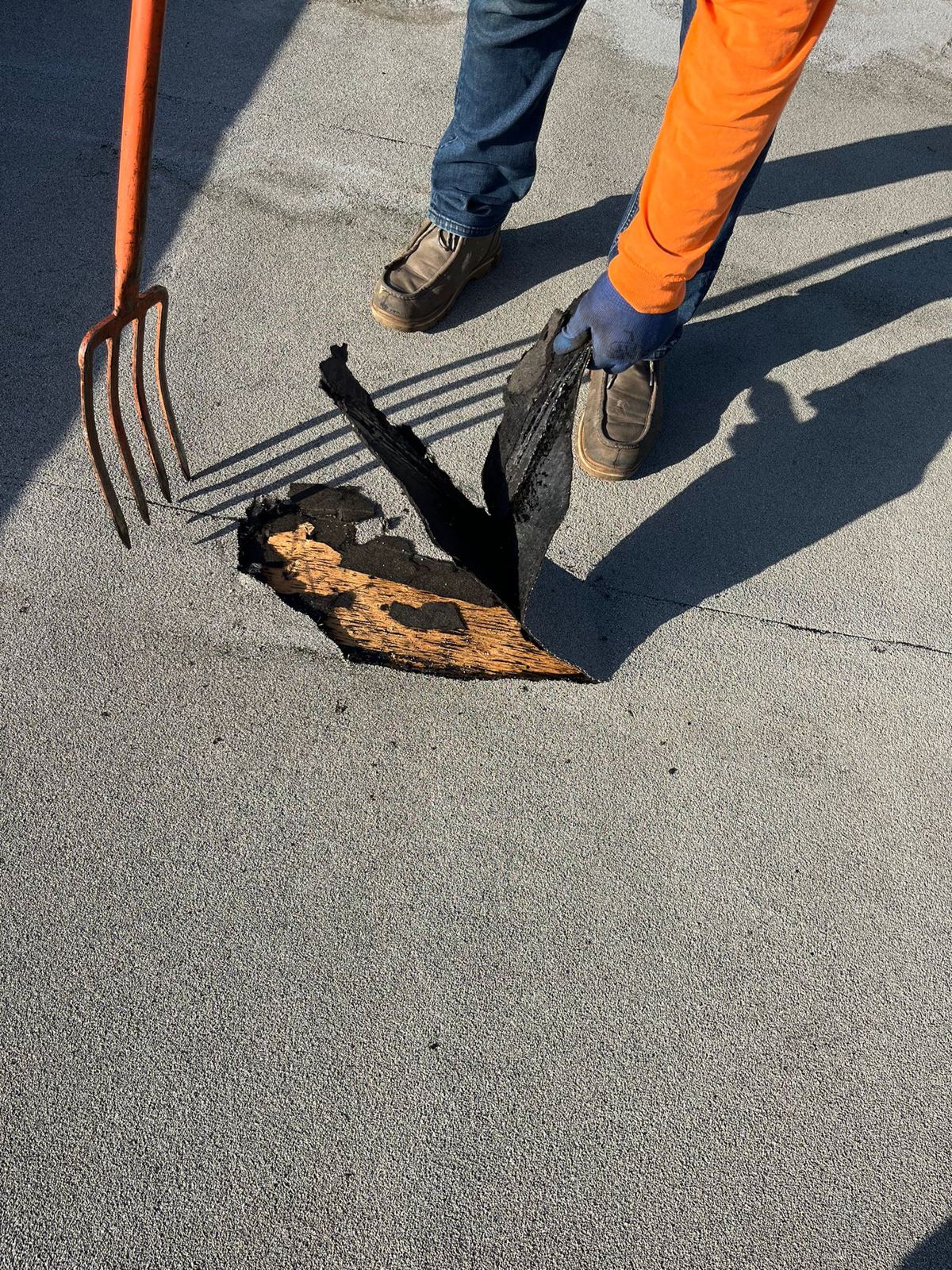
Often, yes. Blisters, open seams and leaks around drains and penetrations can be repaired, and a sound roof can be coated to add years.
Torch-down is a modified bitumen roof: rolls of rubberized asphalt membrane heated with a torch so the layers fuse together and to the roof. It creates a seamless, waterproof surface for flat roofs.
Usually 15 to 25 years, depending on sun exposure, drainage and maintenance. A reflective cap sheet or coating helps it last longer.
Yes. It handles heat and foot traffic well, and with a white or mineral cap sheet it reflects the sun.
A thick liquid silicone applied over an existing flat or low-slope roof. It cures into a seamless, waterproof, reflective layer that protects the roof underneath.
Usually, if the roof is still sound. It works over torch-down, built-up, TPO, metal and foam roofs. Wet or rotted areas are repaired first.
Typically 10 to 20 years depending on thickness, and it can be recoated later instead of tearing the roof off.
Commercial & Insulation
Flat and low-slope roofs: torch-down, TPO, built-up roofs, metal roofs and silicone coatings, plus tile and shingle on mixed-use buildings.
Yes. We schedule work to keep your building open and your tenants comfortable.
Yes. Scheduled inspections and maintenance for property managers and owners.
Yes. With the roof open it is the easiest and cheapest time to add rigid insulation, especially on flat roofs.
Light-colored, reflective roof surfaces that bounce sunlight back and keep the building cooler.
Better insulation and ventilation reduce heat in the house and the load on your air conditioning.
Los Angeles · Encino · West LA · Irvine
Still Have a Question?
Call and ask. We are happy to help.